
For those interested in the history and culture of cannabis, this guide will detail how cannabis has been used from ancient times to the present and its cultural impact. By reading this article, you will gain a deep understanding of the historical background and cultural influence of cannabis.
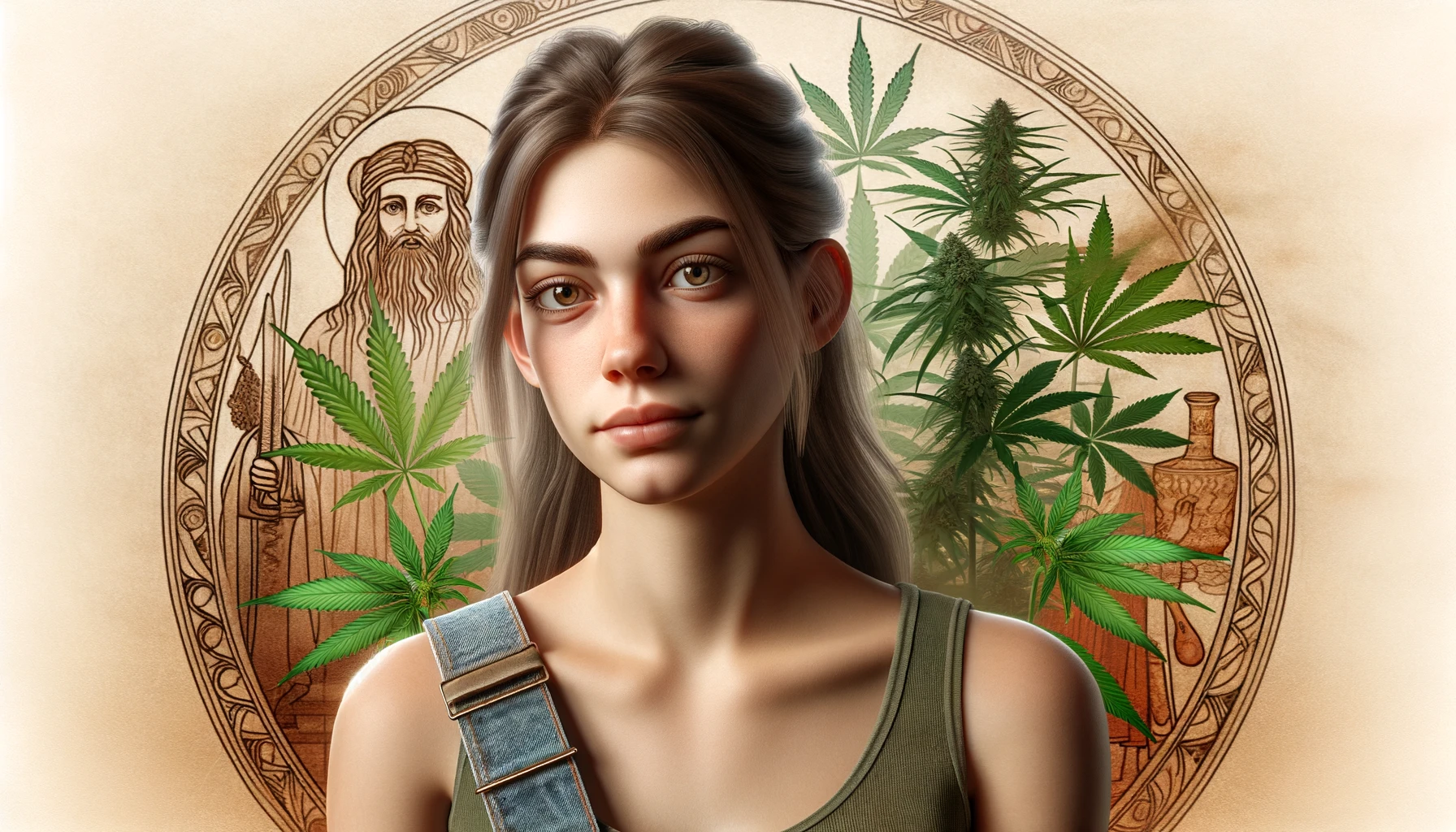
Origins of Cannabis and Its Ancient Uses
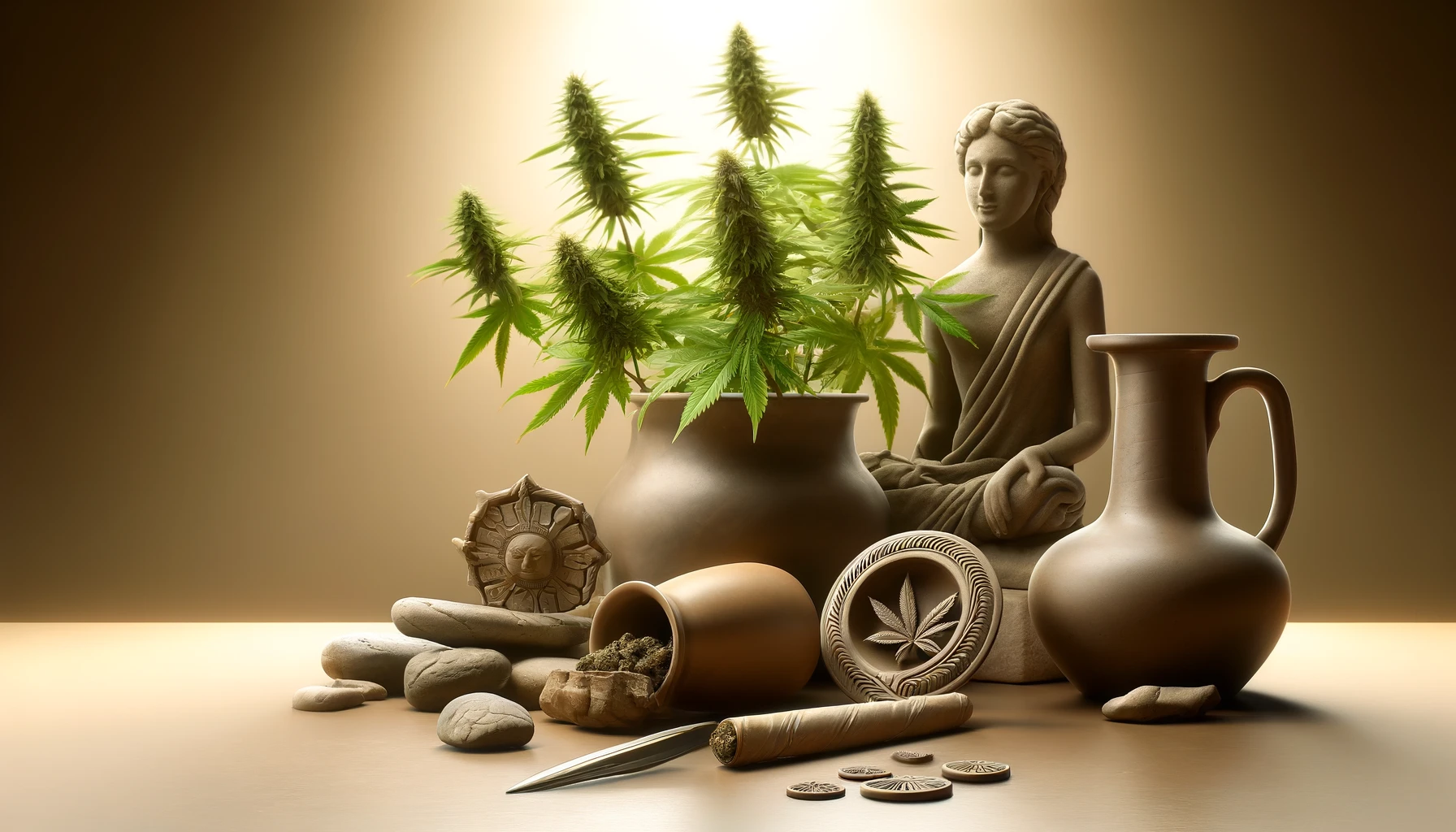
Early Cultivation and Use
Cannabis has been cultivated for thousands of years, with evidence suggesting that cultivation began in China around 5000 BCE. In ancient China, hemp fibers were used for making cloth and rope, while hemp seeds were used for food and medicinal purposes.
Ancient Egypt
In ancient Egypt, cannabis was used for medicinal purposes.
Papyrus scrolls document the use of cannabis for treating eye conditions and reducing inflammation.
It is also believed that cannabis was used in religious rituals.
Cannabis in India
In India, cannabis has been considered a sacred plant and has been used in various religious rituals.
The ancient Indian texts, the Vedas, describe cannabis as a gift from the gods, used during meditation and prayers.
In Ayurvedic medicine, cannabis has been used as a treatment for various ailments.
Cannabis from the Middle Ages to the Modern Era

Medieval Europe
In medieval Europe, cannabis was primarily used as a fiber crop.
Hemp fibers were valued for their strength and durability, used for making ship sails, ropes, and clothing. Additionally, it was used medicinally to treat pain and insomnia.
Islamic Culture
In the Islamic cultural sphere, cannabis became known as “hashish” and spread as a recreational substance.
In regions like Persia and the Middle East, cannabis inspired poetry, music, and visual arts.
Modern America
In America, cannabis was widely used as a medicine from the late 19th to the early 20th century.
Medical texts from the time noted its effectiveness for various conditions, and many physicians prescribed it. However, by the 20th century, cannabis use became regulated, sparking debates over its legality.
Contemporary Cannabis Culture
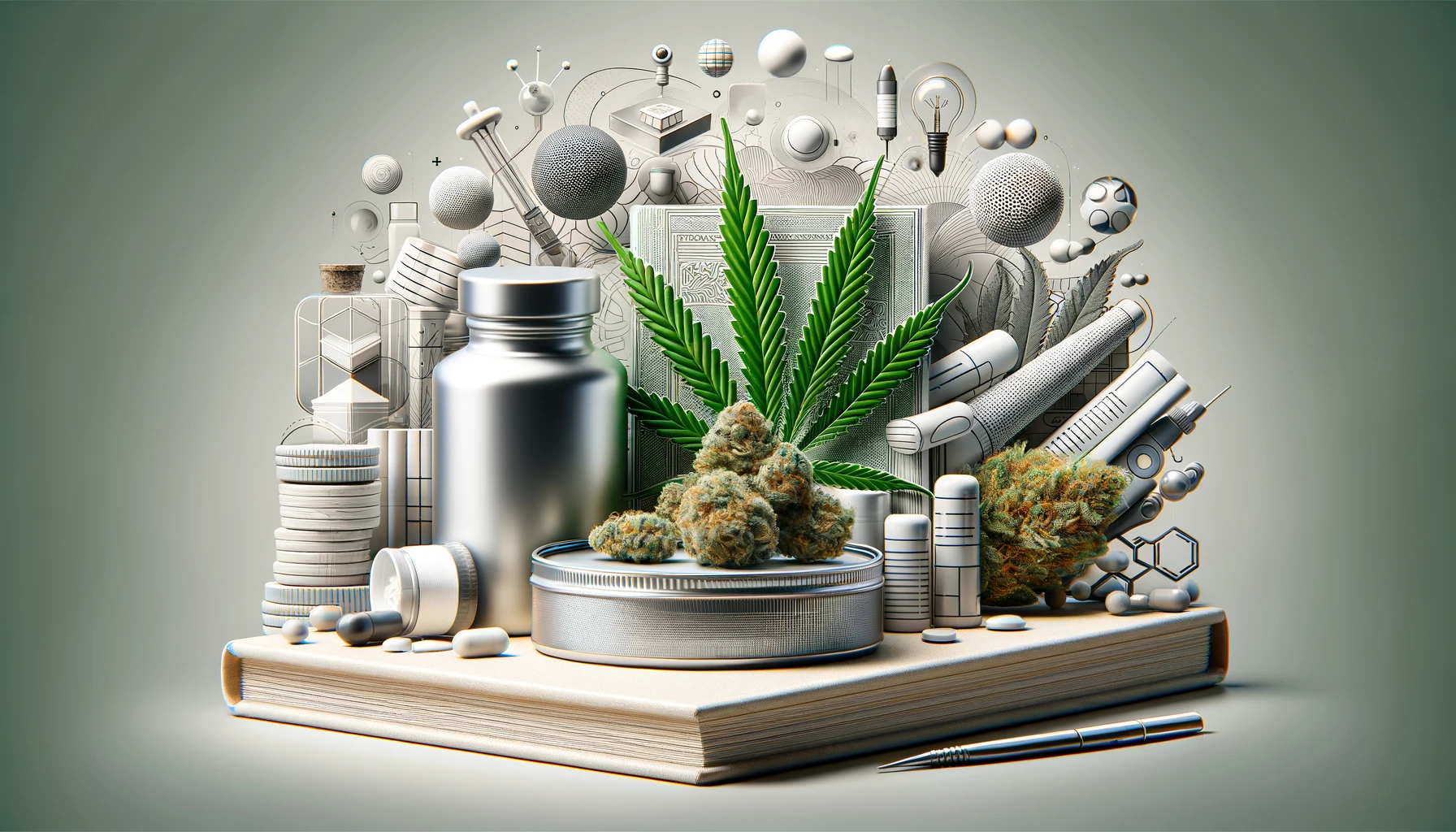
Recreational and Medical Use
In the modern era, cannabis has regained attention. Many countries and states have legalized medical cannabis, benefiting numerous patients. Scientific evidence supports the effectiveness of cannabis in treating chronic pain, anxiety, and epilepsy.
Counterculture and Cannabis
During the 1960s and 1970s, cannabis became a symbol of counterculture.
In the hippie culture, cannabis was embraced as a symbol of freedom and peace, influencing music, art, and literature. It spread as a means of rebellion and self-expression among young people.
Cannabis Legalization Movement
Recently, the global movement for cannabis legalization has gained momentum.
Countries like Canada, Uruguay, and several states in the US have legalized cannabis use, leading to rapid growth in the cannabis industry. This movement is driven by economic benefits and medical evidence, as well as efforts to overcome social stigma.
Cultural Impact of Cannabis
Cannabis and Music
Cannabis has played a significant role in the world of music. It has been used to enhance creativity in genres like jazz, reggae, and rock. Notably, reggae musician Bob Marley symbolized cannabis as an emblem of peace and love, leaving a lasting cultural impact.
Cannabis and Film
The film industry has frequently featured cannabis as a theme.
Comedies and documentaries often portray cannabis use and its effects, contributing to a deeper understanding and awareness of cannabis.
Conclusion
Cannabis has maintained diverse uses and cultural significance from ancient times to the present.
From medicine to recreation, religious rituals to artistic expression, cannabis has been deeply intertwined with human history. In the modern era, its legalization and expanding medical use continue to amplify its impact. By understanding the history and culture of cannabis through this article, you can re-evaluate its role in contemporary society.