For those interested in the future of the cannabis industry, this guide will detail the economic impact and social effects of the cannabis industry.
By reading this article, you will understand how the growth of the cannabis industry can revitalize local economies and influence society.

Economic Impact of the Cannabis Industry

Job Creation
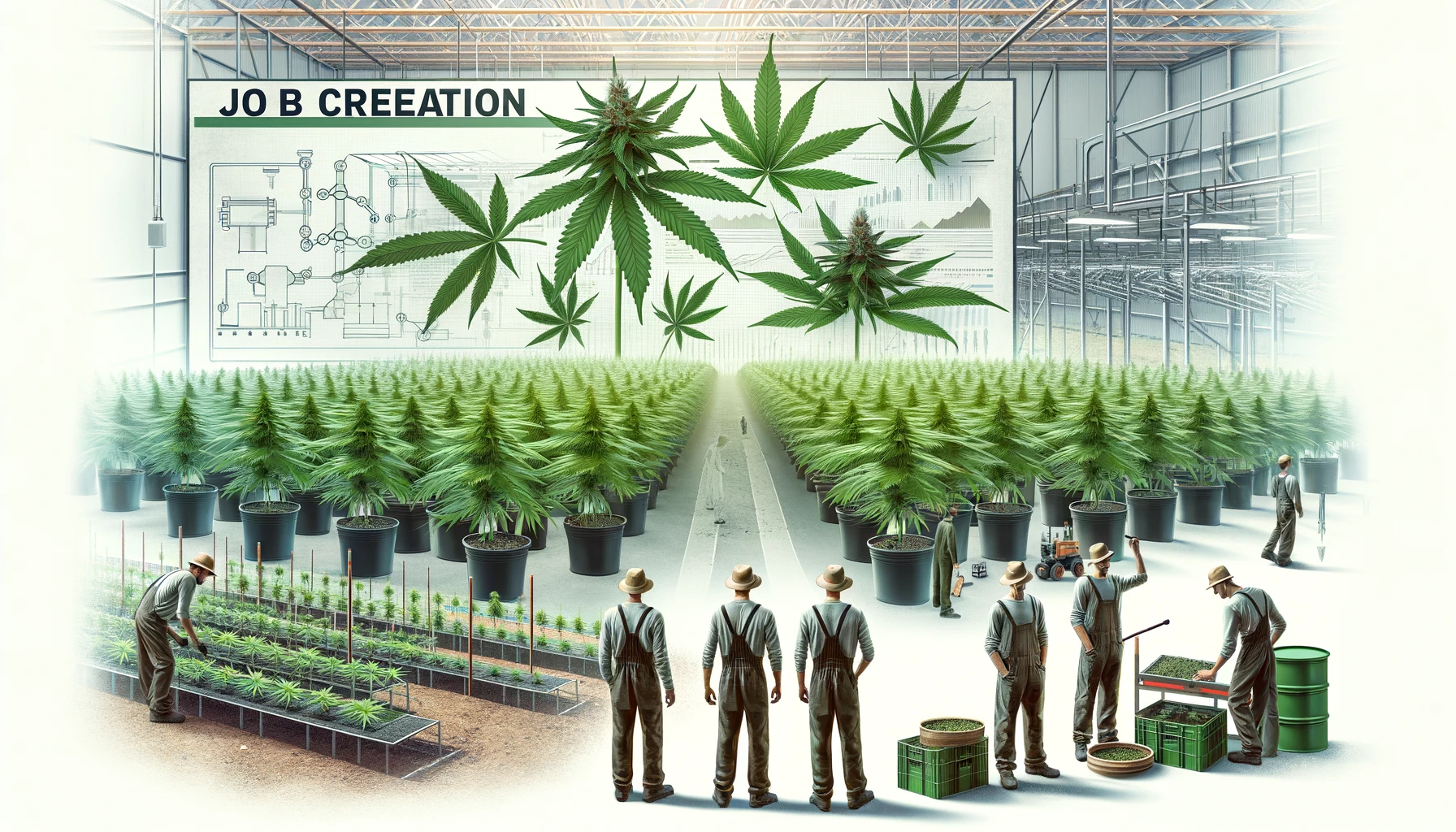
The expansion of the cannabis industry has created numerous new jobs. Cultivation, processing, sales, logistics, and marketing are just a few of the fields where job opportunities have increased.
In regions where legalization is advancing, the establishment of new businesses is having a significant impact on local labor markets.
Case Study: United States
In the United States, the cannabis industry has rapidly grown in states where legalization has progressed.
For example, in Colorado, the industry has created tens of thousands of jobs since full legalization in 2014.
This has resulted in reduced unemployment rates and revitalized local economies.
Increased Tax Revenue

Legalizing cannabis provides governments with a new source of tax revenue.
Sales tax, excise tax, and corporate tax on cannabis products can significantly boost state and local finances.
This new revenue can be used to enhance public services and infrastructure.
Case Study: Canada
Since the full legalization of cannabis in Canada in 2018, billions of dollars in tax revenue have been generated.
This income is being invested in various public projects, including education, healthcare, and infrastructure development.
Investment and Economic Growth

The growth of the cannabis industry has increased investment opportunities.
From startups to established corporations, many companies are entering the cannabis market and investing capital.
This investment is used for research and development, new product development, and market expansion, further driving economic growth.
Social Effects of the Cannabis Industry

Improved Access to Medical Treatment
Legalizing medical cannabis allows many patients to receive necessary treatment.
Chronic pain, epilepsy, anxiety disorders, PTSD, and many other conditions can be effectively treated with cannabis. The legalization of medical cannabis provides patients with access to safer and more effective treatments.
Case Study: Israel
Israel is known as a leader in medical cannabis research.
Numerous clinical trials have demonstrated the efficacy of medical cannabis, leading to widespread adoption and significant benefits for many patients.
Reduction in Crime Rates
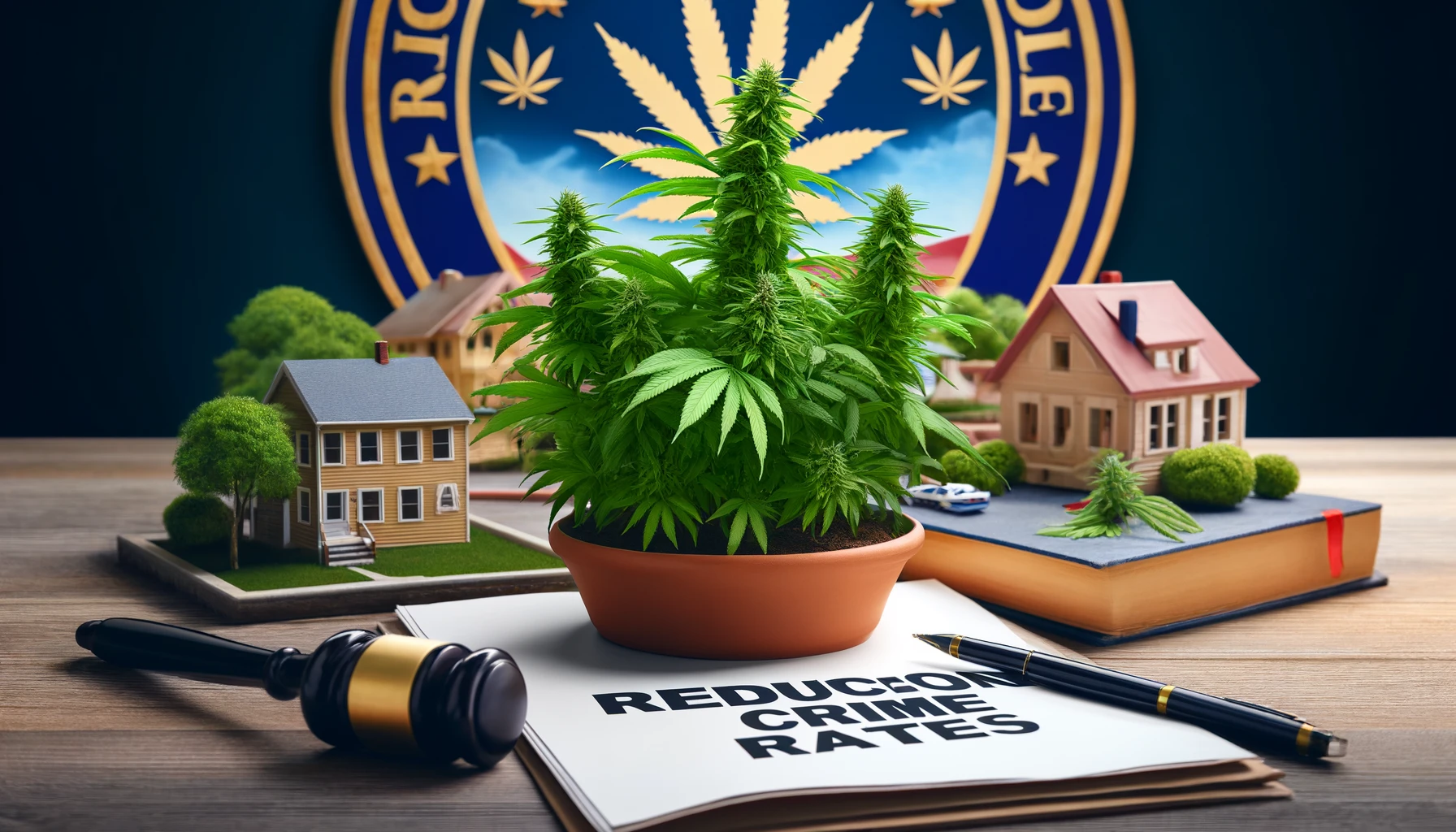
Legalizing cannabis can lead to a reduction in illegal transactions, consequently lowering crime rates.
By establishing a legal market, consumers can purchase safe and regulated products, reducing their dependence on illegal transactions.
Case Study: Portugal
In 2001, Portugal decriminalized all drugs.
This led to a significant decrease in drug-related crime rates and improved overall societal safety.
Similarly, the legalization of cannabis is expected to contribute to a reduction in crime rates.
Promotion of Social Equity
The legalization of cannabis also promotes social equity.
People who were often arrested for illegal cannabis possession can now find business opportunities in the legal market. Additionally, expunging past cannabis-related criminal records allows many to start anew.
Case Study: California
In California, alongside the legalization of cannabis, a program was implemented to expunge past cannabis-related criminal records. This has allowed individuals previously treated as criminals to gain new business opportunities and reintegrate into society.
Conclusion

The future of the cannabis industry holds significant potential for both economic impact and social effects. Job creation, increased tax revenue, and expanded investment opportunities are just a few of the economic benefits. Additionally, improved access to medical treatment, reduced crime rates, and enhanced social equity are critical social impacts. To fully realize the potential of the growing cannabis industry, appropriate information gathering and policy development are essential.