
For those who want to know what cannabinoids are and the differences and effects of CBD and THC. In this article, you will learn the basics of cannabinoids, the detailed differences between CBD and THC, and their respective effects. Whether you are a beginner or an advanced user, you can deepen your knowledge of cannabis.
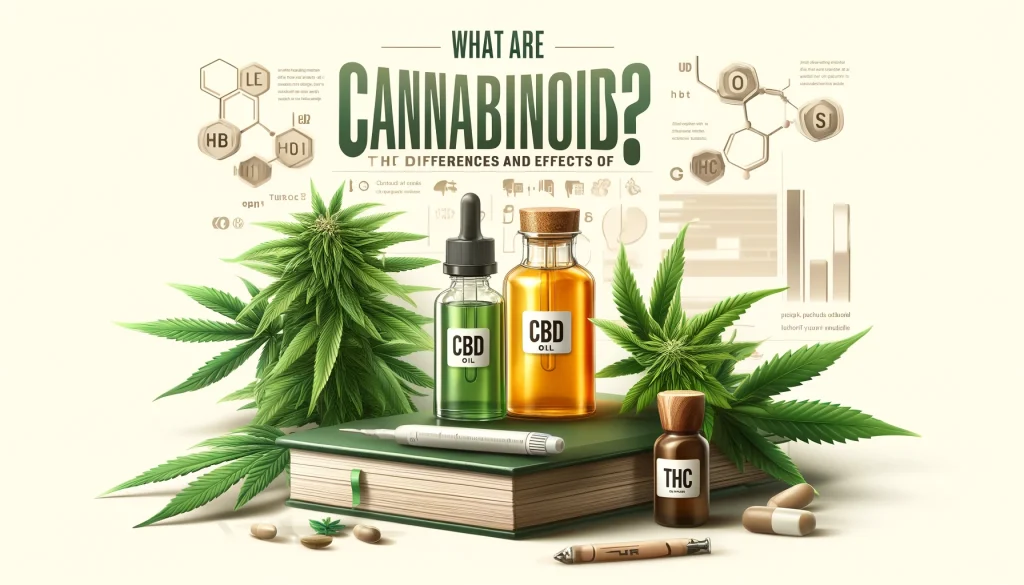
Cannabinoids are compounds found in cannabis, with CBD and THC being the most representative components. These compounds have different effects and are used for medical and relaxation purposes.
By understanding the differences and effects of CBD and THC, you can choose the cannabinoid product that suits your needs and use it effectively and safely. By reading this guide, you will understand the roles and usage methods of CBD and THC, enabling you to select the appropriate products.
What are Cannabinoids?
Basic Concept
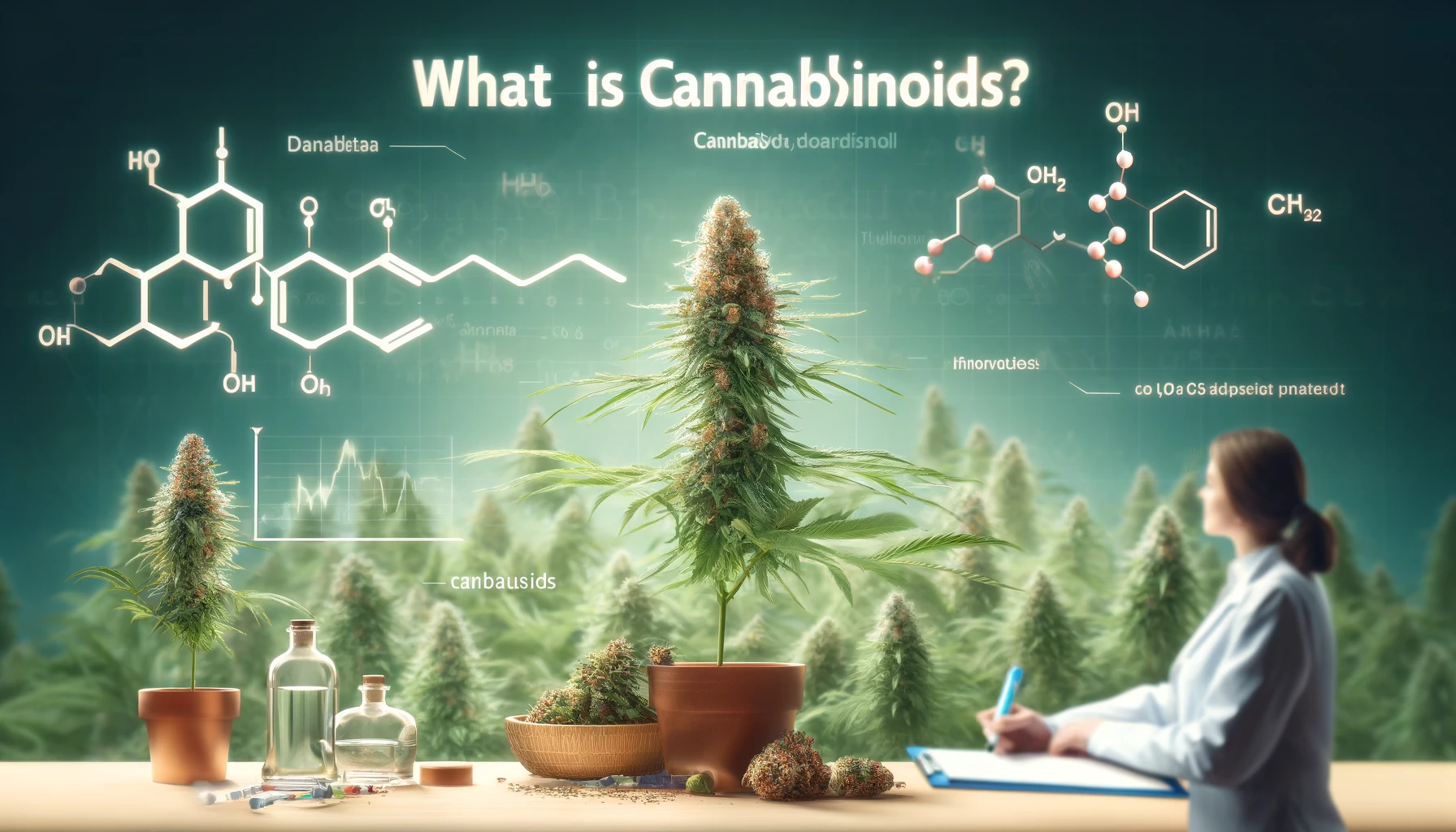
Cannabinoids are chemical compounds found in cannabis plants. These compounds interact with the body’s endocannabinoid system, causing various physiological effects. There are over 100 cannabinoids in cannabis, but CBD (cannabidiol) and THC (tetrahydrocannabinol) are the most well-known.
Endocannabinoid System
The endocannabinoid system (ECS) consists of cannabinoid receptors and endocannabinoids that naturally occur in the body. The ECS plays a role in regulating various physiological processes, including pain, immune response, appetite, mood, and memory.
What is CBD?
Basic Characteristics
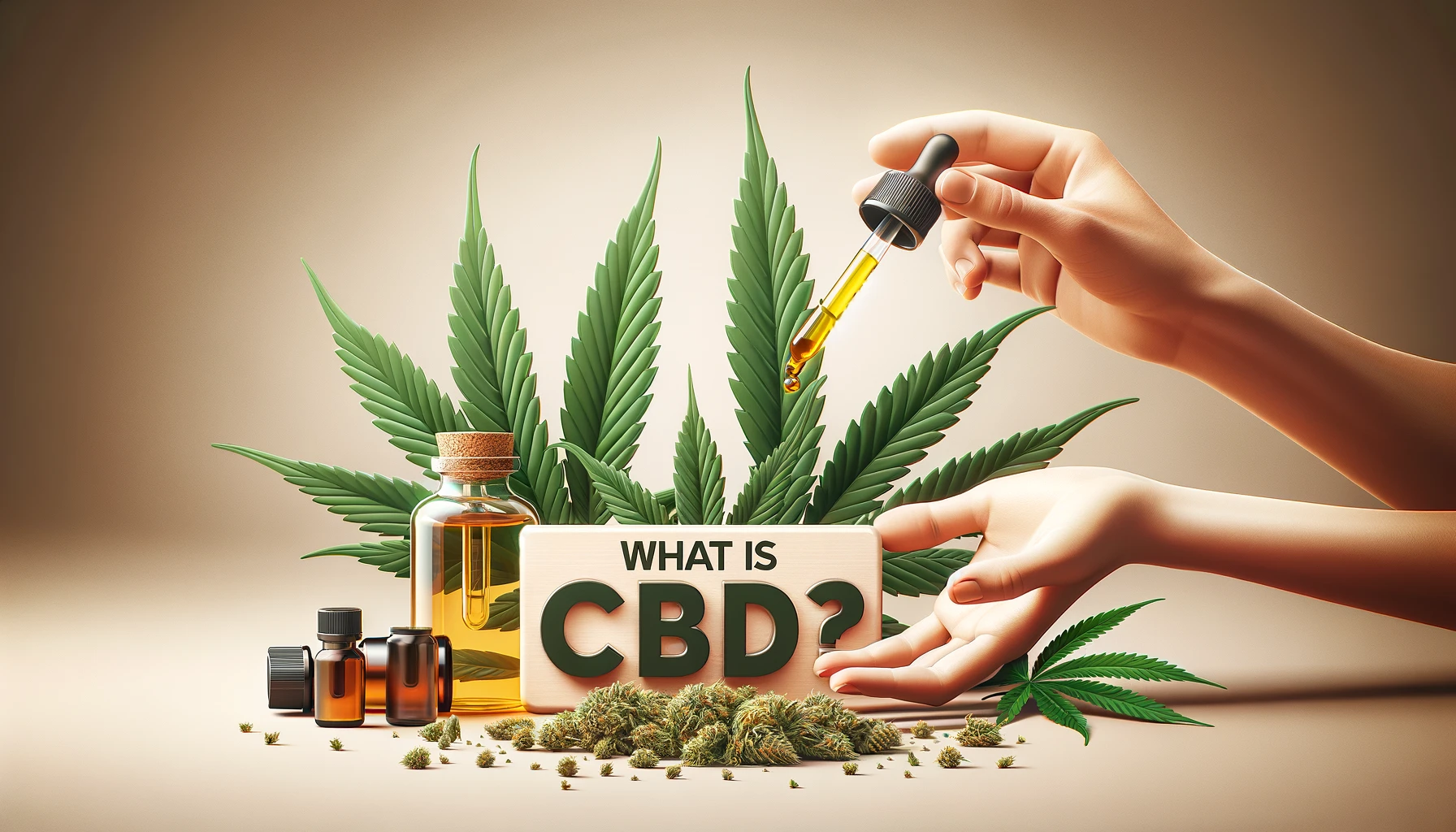
CBD (cannabidiol) is a non-psychoactive cannabinoid, meaning it does not cause a “high” when consumed. This characteristic makes CBD popular for medical and health purposes.
Effects
Pain Relief
CBD is known for its analgesic properties. It can reduce chronic pain and inflammation, making it useful for conditions like arthritis and muscle pain.
Reducing Anxiety and Stress
CBD helps reduce anxiety and stress. It has a calming effect, supporting mental health in our stressful modern society.
Improving Sleep
CBD improves sleep quality. It helps people with insomnia and sleep disorders by promoting natural sleep.
Neuroprotection
CBD has neuroprotective properties and is considered promising in treating neurodegenerative diseases like Parkinson’s and Alzheimer’s.
What is THC?
Basic Characteristics
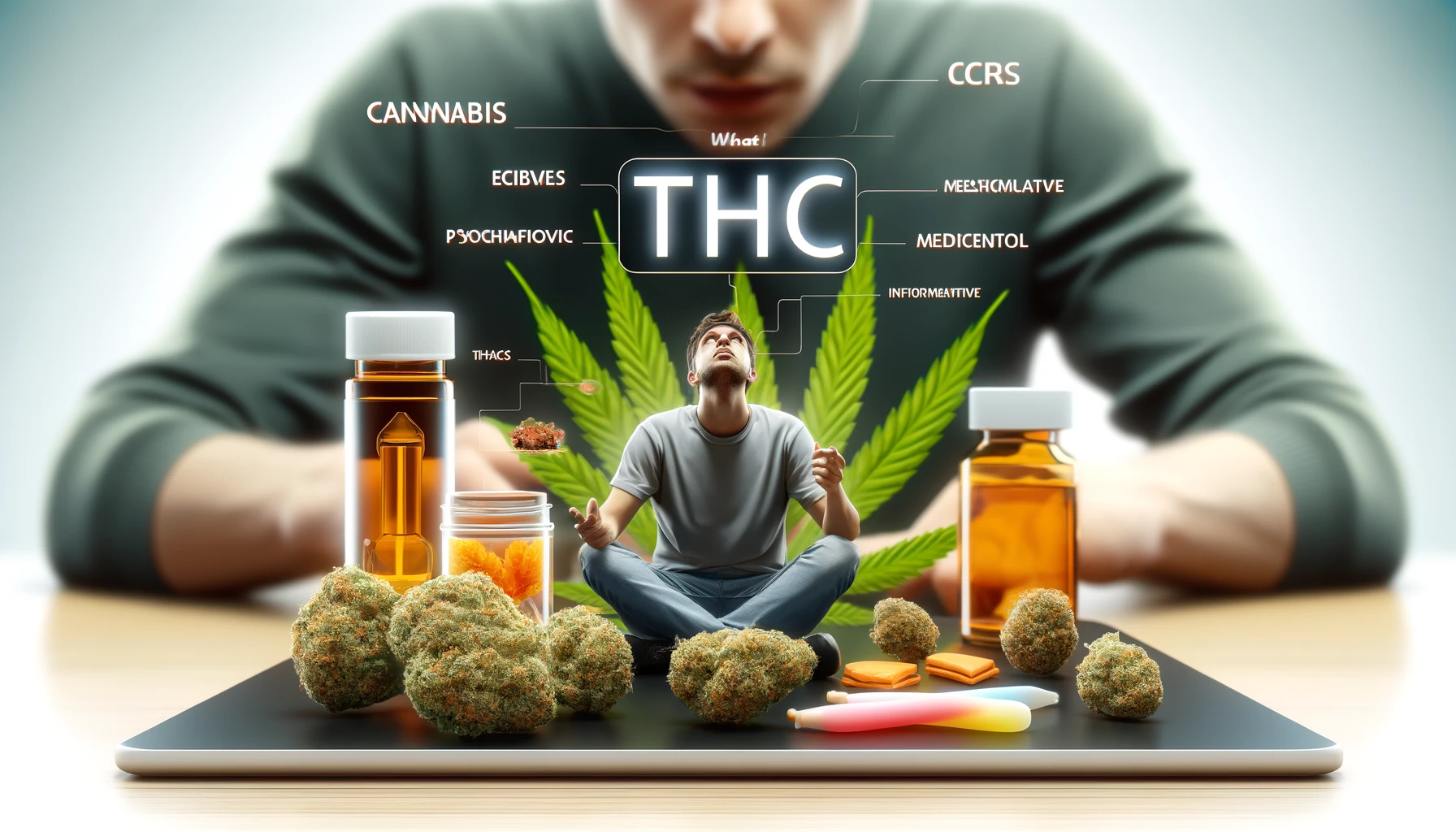
THC (tetrahydrocannabinol) is a psychoactive cannabinoid. When consumed, THC binds to cannabinoid receptors in the brain, causing a “high.” THC is used for both recreational and medical purposes.
Effects
Pain Relief
THC has strong analgesic effects and is used to manage chronic pain, especially in cancer patients and those with terminal illnesses.
Appetite Stimulation
THC stimulates appetite, beneficial for patients suffering from appetite loss or weight loss, particularly those undergoing chemotherapy.
Reducing Nausea
THC reduces nausea and vomiting, making it important for patients undergoing chemotherapy.
Mood Enhancement
THC elevates mood and provides relaxation. It is often used recreationally but should be consumed in moderation to avoid adverse effects.
Differences Between CBD and THC
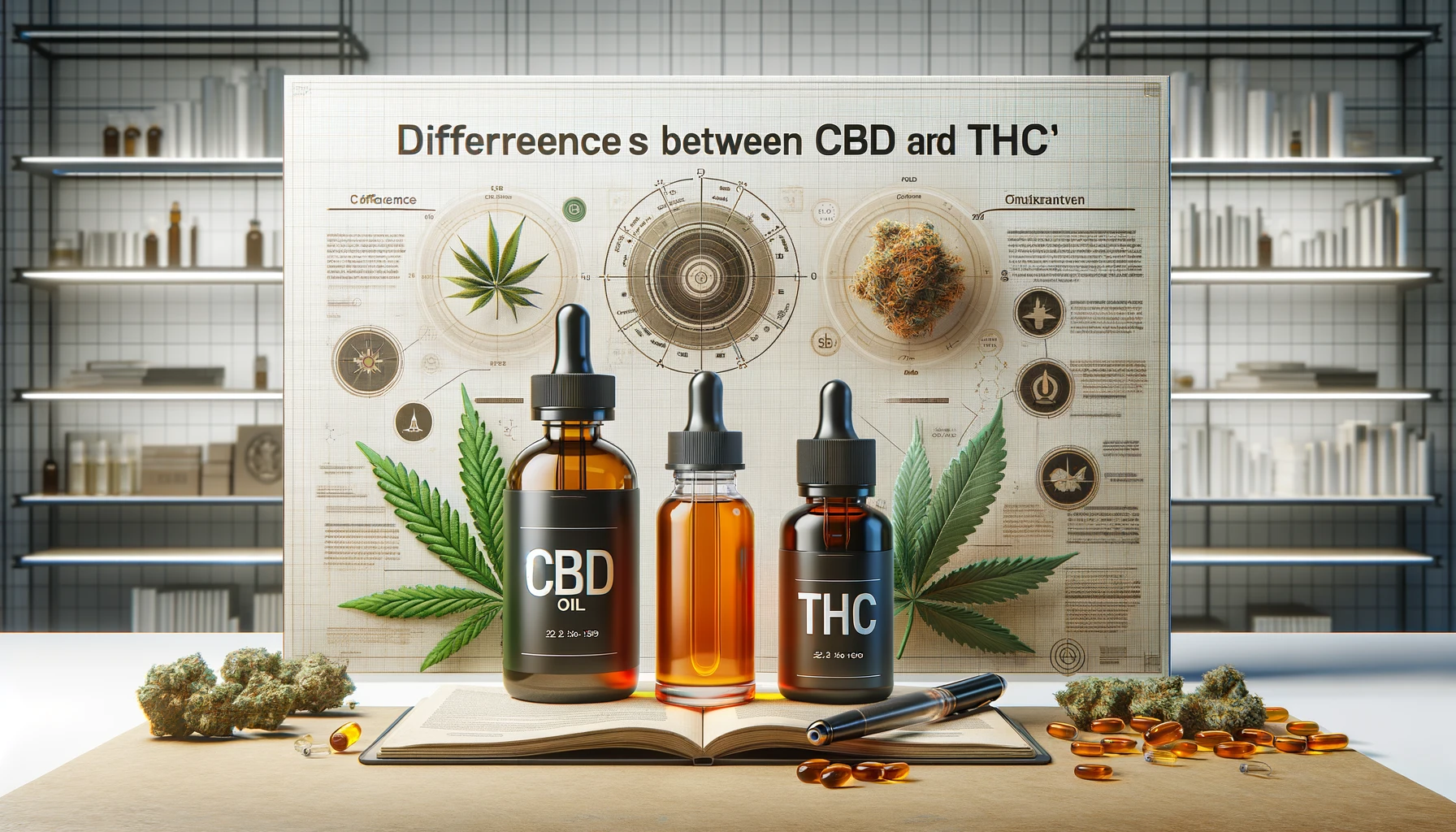
Psychoactive Effects
- CBD:Non-psychoactive and does not cause a “high.”
- THC:Psychoactive and causes a “high.”
Legal Status
- CBD:Legal in many countries.
- THC:Regulated and often illegal in many countries.
Medical Benefits
- CBD:Primarily offers anti-inflammatory, anti-anxiety, and neuroprotective effects.
- THC:Provides pain relief, appetite stimulation, and anti-nausea effects.
Safe Usage Methods

Choosing the Right Product
Purchase from reputable manufacturers and check product ingredient labels. Knowing the CBD and THC content is crucial.
Managing Dosage
Beginners should start with a small dose and observe their body’s response to find the appropriate amount. Managing dosage is key to avoiding overconsumption.
Consulting Medical Professionals
If you have health issues, consult a medical professional before using cannabinoids. Getting appropriate advice ensures safe usage.
Conclusion
CBD and THC, the two main cannabinoids, have distinct characteristics and effects. CBD is non-psychoactive and primarily used for medical purposes, while THC is psychoactive and used for both recreational and medical purposes. By understanding their differences and effects, you can safely and effectively use these cannabinoids.